Absolutely — here is a strong SEO-rich article draft built around your real MEINHAUS data, experience, and opinions.
How Much Should a Bathroom Remodel Cost?
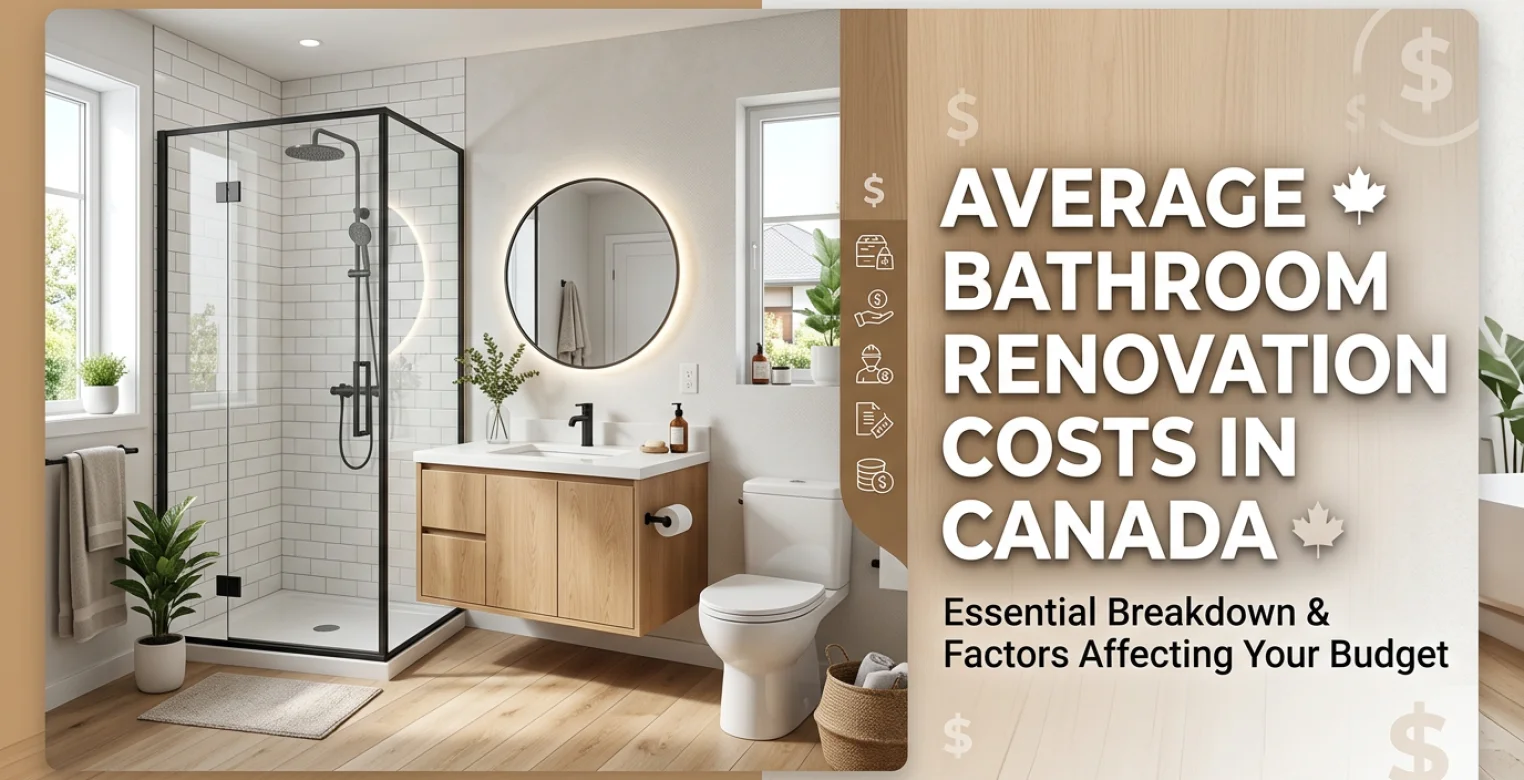
Bathroom renovations are one of the most common home improvement projects in Canada — and also one of the hardest to price without understanding the full scope of work.
At MEINHAUS, we completed roughly 100 bathroom renovations across Canada in 2025, with projects spanning from Vancouver to Halifax, and with a large concentration in the GTA, Toronto, Hamilton, Mississauga, Brampton, Barrie, and surrounding Ontario cities.
Over the last six months alone, we have prepared approximately 150 bathroom renovation estimates, ranging from smaller repair and service items around $400 to larger bathroom conversions reaching approximately $14,500.
That range can feel confusing for homeowners. One person may ask, “Why is my bathroom renovation $5,000?” while another is being quoted three times that amount. The answer usually comes down to scope, hidden conditions, material choices, and the age of the existing bathroom.
So, how much should a bathroom remodel cost?
For a standard three-piece bathroom renovation, MEINHAUS typically sees the labor portion land around $5,000 for demolition, disposal, licensed plumbing connections, toilet replacement, vanity installation, tile floors, tiled tub surround or shower enclosure, and painting. In our experience, we are able to stay within this labor budget range over 90% of the time when the bathroom layout and scope remain standard.
The real pricing differences usually come from everything outside the basic labor package.
What Is Included in a Standard Bathroom Renovation?
A typical three-piece bathroom renovation may include:
- Demolition of existing finishes
- Disposal of debris
- Removal of old vanity, toilet, tub, tile, or flooring
- Licensed plumbing attachments or fixture swaps
- Tub replacement or tub-to-shower conversion
- Toilet replacement
- Vanity replacement
- Tiled floor installation
- Tiled tub surround or shower wall installation
- Painting walls, ceiling, and trim
- Final finishing and cleanup
When the plumbing layout stays the same, the tile pattern is standard, and the bathroom does not reveal major hidden damage, the labor side of the job is relatively predictable.
That is why, for many standard three-piece bathroom remodels, the labor budget can often stay near the $5,000 range.
However, this does not mean every bathroom renovation costs $5,000 total. Materials, fixtures, tile selections, vanity choices, glass, waterproofing systems, hidden repairs, and design upgrades can significantly change the final project cost.
Why Bathroom Renovation Costs Vary So Much
Bathroom remodel pricing changes because bathrooms are dense, technical spaces. They involve water, plumbing, ventilation, electrical, tile, waterproofing, paint, cabinetry, and finish work — all in a relatively small footprint.
From our estimate data, bathroom projects can range from $400 to $14,500+ depending on whether the homeowner is requesting a small repair, paint refresh, fixture replacement, standard remodel, or full four-piece conversion.
The biggest pricing factors include:
1. The Scope of Work
A bathroom paint job is not the same as a full bathroom remodel. A vanity replacement is not the same as a tub-to-shower conversion. A four-piece bathroom conversion is not the same as refreshing a powder room.
The more trades involved, the more the price increases.
A small bathroom update may include painting, a new mirror, new light fixture, and a vanity swap. A larger bathroom remodel may include demolition, plumbing, tile, waterproofing, drywall repair, custom glass, and complete fixture replacement.
Before comparing bathroom renovation quotes, homeowners need to compare scope — not just price.
2. The Age of the Bathroom
One of the most overlooked factors in bathroom renovation cost is the age of the bathroom itself.
Older bathrooms were often built with materials that are very different from what we use today. Modern tile backing systems often include foam backer board solutions such as Schluter or Wedi board. These products are lightweight, waterproofing-friendly, and easier to work with.
In previous decades, bathrooms were commonly built with steel-reinforced concrete, dense plaster, thick mortar beds, or multiple layers of backing material. These older systems can dramatically increase the time and cost of demolition.
A bathroom that looks simple on the surface may become much more complicated once demolition begins.
Older tile assemblies can be heavier, thicker, harder to remove, and more likely to reveal uneven framing or non-standard wall depths. That means extra labor is required not only to remove the old materials, but also to rebuild the space properly.
3. Demolition Complexity
Demolition is not always just “rip it out and start fresh.”
In newer bathrooms, demolition may be relatively straightforward. In older bathrooms, especially those with concrete-backed tile, plaster, steel mesh, or multiple layers of tile backing, demolition can take significantly longer.
This affects:
- Labor time
- Disposal volume
- Dust control
- Tool wear
- Site protection
- Rebuilding requirements
Once these older materials are removed, the walls may no longer be flat, square, or properly framed for modern tile installation. That creates additional prep work before the new bathroom can be built.
4. Reframing and Surface Preparation
After demolition, many bathrooms require additional wall preparation.
This may include reframing, shimming, flattening walls, squaring corners, or correcting non-standard tile backing thicknesses. These steps are not glamorous, but they are extremely important.
High-quality tile work depends on flat, plumb, square surfaces. If the wall is uneven, the tile installation will suffer. This is especially true with large-format tiles, glass shower enclosures, niches, benches, and modern clean-line bathroom designs.
This is one of the reasons two bathrooms of the same size can have very different renovation costs. One bathroom may be ready for new backing board quickly. Another may need hours or days of correction before tile installation can even begin.
5. Hidden Water Damage
Bathrooms are wet environments. Behind the walls and under the floors, hidden damage is common.
The most common defects we see are poor paint adhesion, mold growth on painted surfaces, moisture staining, and water-related wall or ceiling damage. In many cases, these issues are caused by poor ventilation, low-quality paint, or years of moisture exposure.
More serious water damage can affect drywall, framing, subfloor, insulation, and adjacent rooms. Once water damage is uncovered, it needs to be addressed properly before new finishes are installed.
Ignoring moisture problems during a bathroom remodel is one of the most expensive mistakes a homeowner can make.
6. Bathroom Painting Costs
Painting is one of the most consistent line items we see across bathroom renovations.
At MEINHAUS, we are typically able to paint a standard bathroom, including walls, trim, ceiling, and moisture-resistant, mold-resistant paint, for approximately $650.
This pricing can increase when the bathroom requires:
- Drywall repairs
- Skim coating
- Cutting out damaged drywall
- Texture changes
- Dramatic color changes
- Stain blocking
- Heavy sanding or prep work
- Multiple coats
- Ceiling repairs
Bathroom painting should not be treated the same as painting a bedroom or hallway. Bathrooms need proper prep, proper ventilation, and the right coating. A cheap paint job in a high-moisture bathroom often fails quickly.
In our experience, poor bathroom paint adhesion is one of the most common visible defects in older or poorly renovated bathrooms.
7. Plumbing Changes
A standard fixture swap is very different from moving plumbing.
Replacing a toilet, vanity, or tub in the same location is usually manageable within a standard bathroom renovation scope. But moving a toilet, changing drain locations, relocating a vanity, or converting a tub into a custom shower can increase cost.
Plumbing changes may involve opening walls or floors, modifying drain lines, adjusting supply lines, and ensuring everything is completed correctly by a licensed professional.
This is one area where homeowners should be very cautious about cutting corners. Poor plumbing work can cause expensive problems later.
8. Tub-to-Shower Conversions
Tub-to-shower conversions are one of the most popular bathroom renovation requests we see.
Many homeowners are removing older bathtubs and replacing them with walk-in showers for accessibility, convenience, and modern design. This can be a great upgrade, but the cost depends on the details.
A simple tub-to-shower conversion may stay within a controlled budget if the drain location, wall structure, and overall layout remain straightforward.
Costs increase when the project includes:
- Custom shower bases
- Linear drains
- Glass enclosures
- Shower niches
- Benches
- Multiple shower fixtures
- Premium waterproofing
- Large-format tile
- Complex tile layouts
- Plumbing relocation
The more custom the shower becomes, the more the price moves away from a standard bathroom renovation budget.
9. Tile Selection and Tile Layout
Tile has a major impact on bathroom remodel cost.
Standard tile patterns are usually the most cost-effective. More complex tile work requires more time, more layout planning, more cuts, and more precision.
Pricing can increase with:
- Herringbone tile
- Mosaic tile
- Accent strips
- Shower niches
- Benches
- Custom borders
- Large-format tile
- Multiple tile types
- Pattern matching
- Floor-to-ceiling tile
- Small-format tiles with extra grout lines
Tile is one of the areas where homeowners often underestimate labor. The tile itself may not seem expensive, but the installation pattern can dramatically affect the time required.
A simple tile selection installed in a simple pattern can help control bathroom renovation costs. A custom tile design can create a beautiful finished product, but it should be budgeted properly from the beginning.
10. Glass Enclosures and Premium Finishes
Glass shower enclosures are a common upgrade, but they can significantly increase bathroom renovation pricing.
A basic shower curtain or standard sliding door will be much more affordable than custom glass. Frameless glass, custom sizing, special hardware, and installation requirements all add cost.
Other premium upgrades include:
- Designer vanities
- Floating vanities
- Wall-mounted faucets
- Black fixtures
- Rain shower systems
- Heated floors
- Smart mirrors
- Custom lighting
- Custom storage
- Built-in niches
- Shower benches
These upgrades can make the bathroom feel more luxurious, but they should be separated from the core renovation budget so homeowners understand what is essential and what is optional.
So, What Should a Bathroom Remodel Cost?
Based on MEINHAUS project data and estimate history, here is a practical way to think about bathroom renovation costs:
| Bathroom Project Type |
Typical Cost Consideration |
| Small bathroom repair or service item |
From approximately $400 |
| Standard bathroom painting |
Around $650 |
| Standard three-piece bathroom renovation labor |
Around $5,000 |
| Larger bathroom remodel or conversion |
Can reach $10,000–$14,500+ depending on scope |
The important thing is to understand what is included.
A $5,000 labor budget may be realistic for a standard three-piece bathroom remodel when the layout remains the same and there are no major hidden issues. But a bathroom with plumbing relocation, custom glass, premium tile, water damage, reframing, or a four-piece conversion will naturally cost more.
The Most Common Bathroom Defects We See
Across the bathrooms we inspect and estimate, the most common defects are moisture-related.
These include:
- Peeling paint
- Poor paint adhesion
- Mold or mildew on painted surfaces
- Water staining
- Soft drywall
- Poor ventilation
- Failed caulking
- Loose tile
- Cracked grout
- Previous low-quality repairs
Many of these issues start small but become larger over time. A bathroom without proper ventilation or moisture-resistant paint will almost always show signs of failure eventually.
This is why a bathroom renovation should not only focus on how the space looks. It should also solve the underlying moisture, ventilation, waterproofing, and material issues that caused the original failure.
What Upgrades Are Worth the Money?
In our opinion, the best bathroom renovation upgrades are the ones that improve durability, function, and long-term value.
Worthwhile upgrades often include:
- Proper waterproofing
- Quality tile backing systems
- Moisture-resistant paint
- Better ventilation
- Licensed plumbing work
- Practical storage
- Durable vanities
- Easy-to-clean tile
- Safe and accessible shower layouts
Purely aesthetic upgrades can still be worthwhile, but homeowners should understand the difference between an investment in performance and an investment in appearance.
For example, a properly waterproofed shower is a long-term value decision. A complex accent strip or luxury tile pattern is a design decision. Both may matter, but they do not serve the same purpose.
How to Keep Bathroom Renovation Costs Under Control
The best way to control bathroom remodel pricing is to keep the scope clear.
Before starting the project, homeowners should decide:
- Are we keeping the same layout?
- Are we replacing the tub or converting to a shower?
- Are we using standard tile or custom tile?
- Do we need glass?
- Is the vanity standard or designer?
- Are there known moisture issues?
- Is the bathroom older with heavy tile backing?
- Are we repairing ventilation?
- Are we painting the entire bathroom?
- Are materials included or separate?
The more decisions that are made before the job starts, the easier it is to control cost.
The biggest budget problems usually happen when homeowners begin with a vague idea of “renovating the bathroom” but make major design and scope decisions during the project.
Bathroom Renovation Cost in Toronto and the GTA
Bathroom renovation costs in Toronto, Mississauga, Brampton, Hamilton, Barrie, and the surrounding GTA are influenced by labor availability, parking, disposal access, building age, condo rules, material handling, and trade coordination.
For example, a bathroom renovation in a downtown Toronto condo may require elevator bookings, loading dock coordination, restricted working hours, and additional material movement. A bathroom renovation in a detached home in Barrie or Hamilton may have easier access but could involve older construction materials or different plumbing conditions.
This is why MEINHAUS focuses on estimating based on real scope — not just square footage.
Two bathrooms can be the same size but have completely different renovation budgets depending on layout, materials, access, and existing conditions.
Final Answer: How Much Should You Budget for a Bathroom Renovation?
For a standard three-piece bathroom renovation, homeowners should expect the labor portion to often land around $5,000 when the scope is straightforward, the layout stays the same, and hidden damage is minimal.
For smaller bathroom work, such as painting or minor service items, costs may be much lower. For larger bathroom remodels, tub-to-shower conversions, four-piece conversions, custom tile, glass enclosures, plumbing changes, or older bathrooms requiring heavy demolition and reframing, the cost can increase significantly.
At MEINHAUS, our recent bathroom estimates have ranged from approximately $400 to $14,500, showing just how important scope is when pricing a bathroom renovation.
The best bathroom renovation budget is not just the cheapest number. It is the number that properly accounts for demolition, disposal, plumbing, waterproofing, tile, painting, ventilation, existing conditions, and the quality of the finished product.
A bathroom is one of the hardest-working rooms in the home. Done properly, it should look good, function well, handle moisture, and last for years.
FAQ: Bathroom Renovation Costs
How much does a bathroom remodel cost in Canada?
Bathroom renovation costs in Canada vary widely based on scope, location, materials, and existing conditions. Based on MEINHAUS estimate data, smaller bathroom repair items may start around $400, while larger bathroom conversions can reach approximately $14,500 or more. A standard three-piece bathroom renovation may have a labor budget around $5,000 when the scope is straightforward.
How much does bathroom painting cost?
For a standard bathroom, MEINHAUS is typically able to complete bathroom painting, including walls, trim, ceiling, and moisture-resistant, mold-resistant paint, for approximately $650. Pricing may increase if drywall repair, skim coating, damaged material removal, or heavy prep work is required.
Why are bathroom renovations so expensive?
Bathroom renovations are expensive because they involve multiple trades and technical systems in a small space. Plumbing, waterproofing, tile, ventilation, drywall, paint, electrical, cabinetry, demolition, and disposal may all be involved. Hidden water damage or older construction materials can also increase the cost.
What increases the cost of a bathroom remodel?
The biggest cost increases usually come from plumbing layout changes, hidden water damage, custom glass, designer vanities, premium tile, herringbone or mosaic patterns, shower niches, benches, multiple tile selections, and older bathrooms with difficult demolition conditions.
Is a tub-to-shower conversion expensive?
A tub-to-shower conversion can be affordable when the layout stays simple, but costs increase when custom tile, glass, niches, benches, specialty drains, or plumbing relocation are involved.
Why does the age of my bathroom matter?
Older bathrooms may contain steel-reinforced concrete, plaster, thick mortar beds, or multiple layers of backing material. These materials take longer to demolish and often require reframing or surface correction before new tile can be installed.
Should I choose the cheapest bathroom renovation quote?
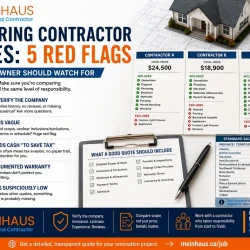
Not always. The cheapest quote may leave out important items such as disposal, waterproofing, licensed plumbing, painting, surface prep, or hidden-condition allowances. Homeowners should compare scope, not just price.
What is the best way to budget for a bathroom remodel?
Start by defining the scope clearly. Decide whether you are keeping the layout, replacing or converting the tub, using standard or custom tile, adding glass, repairing ventilation, and including painting. A clear scope leads to a more accurate bathroom renovation estimate.