
Every MEINHAUS Pro Should Carry Commercial Liability Insurance
Why Every MEINHAUS Pro Should Carry Commercial Liability Insurance
Read Article
Published by Meinhaus.ca
Updated June 2026
Home renovation costs in Canada have changed again in 2026 — not because every material is suddenly more expensive, but because homeowners are becoming more careful, labour remains difficult to coordinate, and the difference between a simple cosmetic renovation and a permit-heavy remodel has become much more important.
In 2026, Canadian homeowners are asking more specific questions than ever:
How much does a kitchen renovation cost?
How much does a bathroom remodel cost?
What does it cost to finish a basement?
Why are two contractor quotes so different?
Should I renovate now or wait?
How much should I budget for hidden costs?
The honest answer is that renovation pricing depends on scope, city, labour availability, material quality, permit requirements, site access, and the age of the home.
At MEINHAUS, we prepare renovation estimates across Canada, including projects in Toronto, Mississauga, Brampton, Hamilton, Barrie, Ottawa, Vancouver, Calgary, Edmonton, Winnipeg, Montreal, Halifax, and surrounding communities. What we have seen in the current market is clear: homeowners are still renovating, but they are more budget-conscious and more interested in transparent pricing than ever before.
This 2026 guide breaks down average renovation costs by project type, region, and budget category, using public market data and MEINHAUS field experience from real estimates and contractor pricing across Canada.
Renovation costs vary dramatically depending on the home, location, scope, and finish level. A cosmetic refresh may cost a fraction of a structural renovation. A standard bathroom update is not the same as a luxury ensuite remodel. A basement rec room is not the same as a legal basement apartment.
The following figures represent practical 2026 planning ranges for Canadian homeowners.
| Project Type | Typical 2026 Cost Range | Low Range | High Range | Typical Value Driver |
|---|---|---|---|---|
| Kitchen renovation | $30,000–$75,000 | $15,000 | $125,000+ | Function, resale, storage, layout |
| Bathroom remodel | $12,000–$35,000 | $8,000 | $60,000+ | Daily use, moisture control, resale |
| Basement finishing | $60–$100 per sq. ft. | $40 per sq. ft. | $150+ per sq. ft. | Living space, rental potential |
| Roof replacement | $5.50+ per sq. ft. before disposal/complexity | Varies | Varies | Home protection, insurance, durability |
| Full home renovation | $150–$350+ per sq. ft. | $100 per sq. ft. | $500+ per sq. ft. | Whole-home modernization |
| Exterior upgrades | $20,000–$70,000 | $10,000 | $100,000+ | Curb appeal, envelope protection |
| Flooring and painting refresh | $10,000–$35,000 | $5,000 | $60,000+ | Cosmetic improvement, speed |
These numbers are starting points, not fixed prices. The final cost depends on what is actually being changed.
A kitchen renovation with stock cabinets, standard counters, and no layout changes may stay relatively controlled. A kitchen with custom millwork, wall removal, new electrical, plumbing relocation, high-end appliances, and stone surfaces can cost several times more.
The same is true for bathrooms, basements, roofing, additions, and full-home renovations.
A kitchen renovation in Canada commonly ranges from $30,000 to $75,000 for a mid-range project, with smaller cosmetic updates starting lower and custom kitchens exceeding $100,000.
Kitchen renovation costs are driven by:
The biggest kitchen cost driver is usually cabinetry. The second major cost driver is whether the homeowner is changing the layout. Keeping the sink, stove, fridge, and dishwasher in similar locations is usually more affordable than moving plumbing, gas, ventilation, and electrical lines.
A homeowner may think they are buying “a new kitchen,” but the estimate is really a combination of demolition, carpentry, electrical, plumbing, drywall, flooring, tile, cabinetry, counters, fixtures, appliances, and finishing.
A standard bathroom remodel in Canada commonly ranges from $12,000 to $35,000, depending on size, tile, fixtures, waterproofing, plumbing, and finish level.
At MEINHAUS, we have seen that a standard three-piece bathroom renovation often has a predictable labour structure when the layout remains the same. For many standard bathroom projects, the labour portion can be controlled when the scope includes demolition, disposal, fixture replacement, tile work, painting, and licensed plumbing connections without major relocation.
Bathroom renovation costs increase with:
Bathrooms are small spaces, but they involve many trades. Waterproofing, ventilation, plumbing, tile, and paint quality matter because a bathroom is exposed to moisture every day.
The cheapest bathroom renovation is not always the best value if it skips waterproofing, uses poor-quality paint, or fails to address ventilation.
Basement renovation costs vary widely, but for newer Ontario homes built since 2000, MEINHAUS commonly sees full basement remodels range from approximately $60 to $100 per square foot, with $75 per square foot being a realistic planning number for a middle-class finished basement.
A simple rec room will cost less than a basement with bedrooms, a bathroom, kitchen, wet bar, legal suite requirements, custom closets, epoxy flooring, or upgraded electrical.
Basement renovation costs increase with:
For many basements, drywall is one of the largest labour costs. Carrying drywall into a basement, hanging ceilings and walls, taping, mudding, sanding, and finishing to a paint-ready level takes time and skill.
A finished basement should feel like part of the home — not an afterthought below it.
Roof replacement costs are highly dependent on roof area, slope, height, complexity, material quality, and warranty requirements.
Based on MEINHAUS roofing estimate experience, asphalt shingle roofing labour commonly averages around $2.50 per square foot of roof area, while standard roofing material packages can often be sourced around $3.00 per square foot of roof area before disposal, complexity, tax, overhead, and warranty adjustments.
That means a practical starting point for a standard asphalt shingle roof replacement may begin around $5.50 per square foot for labour and materials before project-specific adjustments.
Roofing costs increase with:
A roof is not just a cosmetic product. It is a protective system. A poor roof installation can lead to leaks, insulation damage, drywall damage, mold, and major interior repairs.
A full home renovation in Canada can range from $150 to $350+ per square foot for many projects, with high-end structural or custom renovations exceeding that range.
Full-home renovations often involve:
The cost depends heavily on whether the homeowner is doing a cosmetic renovation or rebuilding the home from the inside.
A full-home renovation in Toronto or Vancouver will often cost more than a similar project in smaller markets because of labour rates, site access, permit timelines, parking, disposal, and trade availability.
Renovation costs in Canada are not the same everywhere. Labour rates, permit requirements, climate, housing age, and material availability all affect pricing.
| Region | Typical Renovation Cost Pressure | Common Cost Drivers |
|---|---|---|
| British Columbia | High | Labour, access, moisture protection, seismic/structural concerns, Vancouver pricing |
| Alberta | Medium to high | Large homes, hail damage, roofing demand, suburban growth, mechanical upgrades |
| Saskatchewan | Medium | Labour availability, seasonal weather, shipping, exterior durability |
| Manitoba | Medium | Cold climate, insulation, windows, heating, older housing stock |
| Ontario | High | GTA labour rates, permits, older homes, legal suites, trade demand |
| Quebec | Medium to high | Urban access, older buildings, permitting, flat roofs, regional code differences |
| Atlantic Canada | Medium | Coastal weather, older homes, wind exposure, shipping and trade availability |
Renovation costs in Toronto, Mississauga, Brampton, Vaughan, Markham, Richmond Hill, Oakville, Burlington, Pickering, Ajax, Whitby, Oshawa, Hamilton, and Barrie are strongly affected by labour demand, home age, parking, access, disposal, and permit requirements.
Downtown Toronto renovations often cost more because of narrow lots, older homes, limited staging space, shared walls, laneways, parking issues, and more complicated demolition. A kitchen renovation in a detached suburban home in Mississauga is usually a different project than a main-floor renovation in a century home in Riverdale, The Annex, Leslieville, Parkdale, or Roncesvalles.
In Vancouver, Burnaby, Richmond, Surrey, Coquitlam, North Vancouver, West Vancouver, Langley, and Abbotsford, costs are affected by high labour pricing, wet-climate construction details, access constraints, and expensive finish expectations.
Moisture management, exterior envelope details, roofing, drainage, windows, and ventilation are especially important in this market.
Calgary, Edmonton, Airdrie, Cochrane, Chestermere, Okotoks, Red Deer, St. Albert, and Sherwood Park often involve larger suburban homes, bigger roof areas, finished basements, garage upgrades, and storm-related exterior work.
Calgary-area homeowners often pay close attention to roofing, siding, windows, and exterior durability because of hail and wind exposure.
Ottawa, London, Kitchener, Waterloo, Cambridge, Guelph, Kingston, Windsor, and Niagara often have a wide mix of home types. Renovation costs can vary dramatically between newer suburban homes and older properties with outdated wiring, older plumbing, structural quirks, or finished basements that were not built to current expectations.
Montreal, Laval, Longueuil, Gatineau, Quebec City, and Sherbrooke include many older homes, duplexes, triplexes, flat roofs, masonry structures, and urban access challenges. Renovation pricing can be heavily influenced by building type, permitting, access, and whether the project involves rental units.
Halifax, Dartmouth, Bedford, Moncton, Saint John, Fredericton, Charlottetown, Sydney, and St. John’s often involve coastal weather exposure, older housing stock, wind-driven rain, and shipping considerations.
Roofing, siding, windows, insulation, and moisture protection are major renovation priorities in Atlantic Canada.
Understanding where the money goes helps homeowners compare quotes more intelligently.
| Category | Typical Share of Budget | What It Includes |
|---|---|---|
| Labour | 30–40% | Trades, installers, project management, site coordination |
| Materials | 35–45% | Flooring, cabinets, drywall, tile, fixtures, lumber, roofing, insulation |
| Permits and inspections | 3–10% | Municipal permits, inspections, drawings, code documentation |
| Design and engineering | 5–15% | Layout planning, architectural drawings, engineering, interior design |
| Disposal and site protection | 2–5% | Bins, dump fees, floor protection, dust control, cleanup |
| Contingency | 10–20% | Hidden damage, scope changes, upgrades, unknown conditions |
The largest cost category is not always the most visible one. A homeowner may focus on cabinets, tile, or flooring, but the hidden infrastructure — electrical, plumbing, framing, waterproofing, ventilation, insulation, permits, and drywall finishing — often determines whether the renovation performs properly over time.
Even well-planned renovations can uncover hidden costs. The most common surprises include:
Permits are not just a formality. Depending on the project, a homeowner may need drawings, engineering, zoning review, inspections, and revisions.
This is especially common with basement apartments, structural changes, additions, major layout changes, and exterior modifications.
Older homes may not have enough panel capacity for new kitchens, basements, EV chargers, heated floors, pot lights, appliances, or secondary suites.
Electrical upgrades can become a major cost if they are discovered late.
Moving plumbing is much more expensive than replacing fixtures in the same location. Kitchens, bathrooms, laundry rooms, and basement suites can all become more expensive when drains, vents, and water lines need to move.
Drywall finishing is one of the most underestimated parts of renovation. A poor drywall finish will show through paint, especially under pot lights, natural light, and smooth ceilings.
Flooring cost is not just the finished product. Subfloor repairs, floor leveling, plywood, self-leveling concrete, moisture barriers, and transitions can all affect the final number.
Bathrooms, basements, roofs, windows, and exterior walls can hide moisture damage. Once discovered, it should be corrected before new finishes are installed.
Bins, dump fees, stairs, elevators, condo loading docks, laneway access, and long material carries can all affect cost.
Mid-project changes are one of the fastest ways to increase renovation cost. Changing tile, moving walls, adding electrical, upgrading fixtures, or changing cabinetry after work begins can create delays and added labour.
Do not start with “I want to renovate.” Start with what is actually changing.
Are you replacing finishes, moving walls, changing plumbing, adding bedrooms, creating a rental suite, replacing the roof, or redesigning the whole home?
Scope is the foundation of pricing.
Every project has must-haves and nice-to-haves.
Must-haves may include waterproofing, electrical safety, ventilation, insulation, permits, plumbing, or structural repairs.
Nice-to-haves may include premium tile, custom millwork, heated floors, designer fixtures, built-ins, or luxury finishes.
Both are valid, but they should be priced separately.
Two quotes are only comparable if they include the same work.
A cheaper quote may exclude permits, disposal, painting, fixtures, waterproofing, electrical, drawings, site protection, or warranty.
Ask what is included and what is not included.
A renovation contingency is not pessimism. It is responsible planning.
For cosmetic work, 10% may be enough. For older homes, structural work, basements, bathrooms, kitchens, or major renovations, 15–20% is more realistic.
Late material decisions cause delays and change orders. Flooring, tile, vanities, plumbing fixtures, cabinets, hardware, lighting, appliances, and paint colours should be selected before the project starts whenever possible.
If a project involves structural work, electrical, plumbing, secondary suites, additions, major layout changes, or life-safety items, homeowners should ask about permits early.
Permits can affect timeline, drawings, inspections, and cost.
Some upgrades pay back in comfort, durability, resale, rental income, or reduced maintenance.
Worthwhile upgrades often include:
Across MEINHAUS estimates and homeowner conversations, several 2026 renovation trends are clear.
Many homeowners are not simply spending more. They are asking better questions. They want to understand where their money is going and what parts of the project create real value.
Basements are increasingly being used for bedrooms, offices, rental suites, gyms, family spaces, and multi-generational living. Legal basement apartments remain one of the biggest value-driven renovation categories, but they require proper planning.
Homeowners are becoming more aware of waterproofing, ventilation, mold-resistant paint, tile backing systems, and plumbing quality. A bathroom is not just a design project; it is a moisture-management project.
Homeowners are noticing wide pricing differences in roofing. The important question is not only “what does the roof cost?” but “what material, underlayment, flashing, ventilation, warranty, insurance, and safety documentation are included?”
Insulation, windows, doors, air sealing, heat pumps, ventilation, and energy-efficient upgrades remain important, especially as utility costs and comfort concerns continue to affect homeowners.
One of the reasons homeowners get frustrated with renovations is that design, estimating, materials, trades, permits, and warranty are often disconnected.
An integrated renovation model helps reduce confusion by connecting the project scope, price, scheduling, and contractor accountability under one process.
The biggest mistake homeowners make in 2026 is comparing renovation quotes as if they are all pricing the same job.
They usually are not.
One contractor may include permits, drawings, disposal, waterproofing, electrical, licensed trades, full painting, site protection, warranty, and project coordination. Another may be pricing only the visible installation work.
That is why homeowners should not ask only, “How much is the renovation?”
They should ask:
What is included?
What is excluded?
What could change the price?
Who is responsible for permits?
Who supplies materials?
What happens if hidden damage is found?
What warranty is included?
Who manages the trades?
How are change orders handled?
A transparent renovation estimate should reduce confusion, not create it.
A home renovation in Canada can cost anywhere from a few thousand dollars for cosmetic work to hundreds of thousands of dollars for a full-home renovation. Many major renovations range from $150 to $350+ per square foot, while individual projects like bathrooms, kitchens, basements, and roofing have their own pricing ranges.
A mid-range kitchen renovation commonly ranges from $30,000 to $75,000. Smaller updates can cost less, while custom kitchens with layout changes, premium cabinetry, stone counters, and high-end appliances can exceed $100,000.
A bathroom renovation commonly ranges from $12,000 to $35,000, depending on tile, plumbing, waterproofing, vanity, fixtures, glass, and whether the layout changes. Luxury bathrooms or bathrooms with hidden water damage can cost more.
For many newer Ontario homes, MEINHAUS sees finished basement costs range from approximately $60 to $100 per square foot, with $75 per square foot being a realistic middle-class planning number. Legal basement suites and luxury basements can cost more.
Quotes vary because contractors may include different scopes. One quote may include permits, disposal, licensed trades, drywall finishing, painting, warranty, and project management. Another may exclude those items. Always compare scope before comparing price.
The biggest hidden costs are usually related to permits, electrical upgrades, plumbing changes, water damage, structural issues, floor leveling, drywall finishing, and change orders.
If the renovation is needed for safety, water damage, roofing, electrical, plumbing, accessibility, or long-term use, waiting can make the issue more expensive. If the renovation is purely cosmetic, homeowners may benefit from planning carefully, pricing the scope, and phasing the work.
Most homeowners should plan a 10–20% contingency. Older homes, basements, bathrooms, kitchens, and structural renovations should usually carry a higher contingency because there are more hidden conditions.
Kitchens, bathrooms, finished basements, roofing, windows, insulation, exterior improvements, and legal secondary suites often provide strong value because they improve function, comfort, durability, resale appeal, or rental potential.
MEINHAUS helps Canadian homeowners estimate, plan, and complete renovation projects with clearer pricing, vetted contractor networks, and a more structured renovation process. Whether the project is a bathroom, kitchen, basement, roof, exterior upgrade, or full-home renovation, the goal is to make the renovation easier to understand before work begins.
A renovation is one of the largest investments many homeowners will make after buying the home itself.
The right renovation can improve comfort, function, resale value, rental potential, safety, and long-term durability. The wrong renovation can create stress, delays, hidden costs, and poor workmanship.
In 2026, the smartest homeowners are not just looking for the cheapest quote. They are looking for a clear scope, fair pricing, skilled trades, proper permits, durable materials, and a company that will stand behind the work.
Whether you are planning a kitchen renovation, bathroom remodel, basement finish, roof replacement, exterior upgrade, or full-home renovation, the best place to start is with a realistic budget and a detailed estimate.
Ready to plan your renovation?
Visit Meinhaus.ca to start your project estimate today.
Statistics Canada. Residential Renovation Price Index, first quarter 2026.
Canadian Home Builders’ Association. Renovation Market Index, 2025 Q3/Q4 release.
Canada Mortgage and Housing Corporation. 2026 Housing Market Outlook.
Natural Resources Canada. Canada Greener Homes Initiative and eligible retrofit guidance.
HomeStars. Home Renovation Cost Guide Canada 2026.
RenoQuotes. Home Renovation Cost in Canada 2026.
Free quote in under 24 hours. MEINHAUS-vetted crews. Payment held until the work is done right.
Why Every MEINHAUS Pro Should Carry Commercial Liability Insurance
Read Article
A Practical Guide for MEINHAUS Pros
Read Article
A general overview for meinhaus pros to understand the business cycle.
Read Article
How construction-specific data, visual design, automated estimating, contractor intelligence and the Home Profile could reshape the way Canadians improve and manage their homes
Read Article
Comparing renovation quotes? Learn five contractor red flags Canadian homeowners should watch for, including vague scopes, cash deals, missing insurance, unclear warranties and suspiciously low prices.
Read Article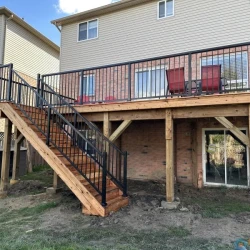
Most renovation horror stories start the same way: a homeowner hires someone based on a quick quote and a friendly conversation, without asking the questions that actually matter. By the time a problem shows up; a missed deadline, an uninsured worker, a scope that quietly expanded halfway through; it's a lot harder to fix than it would have been to prevent. Hiring a general contractor is one of those decisions where doing the homework upfront saves real money and stress later. This guide covers what to actually verify before signing a contract, how the process of hiring a general contractor typically unfolds, and how a newer model; the online general contractor; changes some of the usual guesswork.
Read Article
What does a $25,000 renovation budget actually buy in Canada in 2026? See realistic options for bathrooms, kitchens, flooring, painting, trim, decks and landscaping based on MEINHAUS project-estimating experience.
Read Article